How to Read Sheet Music 2
Tempo, scales, intervals, accidentals, key signatures and practice.
May 24, 2026
7. Tempo
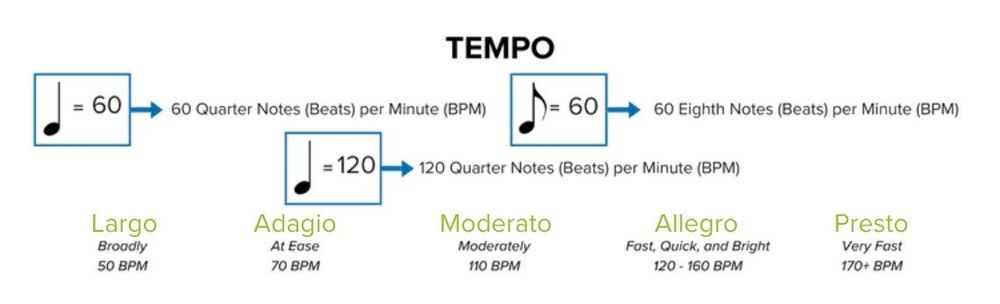
Part 1 covered the staff, clefs, note values, rests and time signatures. This second part continues with tempo, scales, whole steps, half steps, sharps, flats, naturals, key signatures and practical ways to build confidence.Tempo tells you how fast the music should be played. It may be shown as beats per minute, often written as BPM. A tempo of 60 BPM means one beat per second. A tempo of 120 BPM is twice as fast.
A metronome is a useful practice tool because it gives you a steady pulse to play along with.
8. Scales
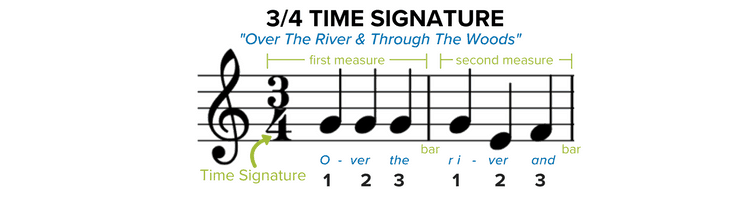
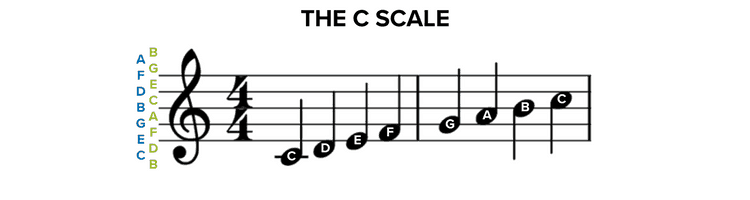
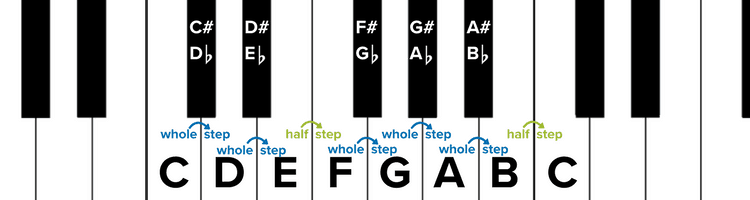
A scale is a sequence of notes arranged in order. One of the best scales to learn first is C major:C D E F G A B C
9. Whole Steps and Half Steps
The distance between two notes is called an interval. A half step is the smallest movement between neighbouring notes on a keyboard. A whole step is made of two half steps.The major scale pattern is:
Whole, whole, half, whole, whole, whole, half
Sharps on the Keyboard
A sharp raises a note by one half step. On a keyboard, this usually means moving to the next key immediately to the right.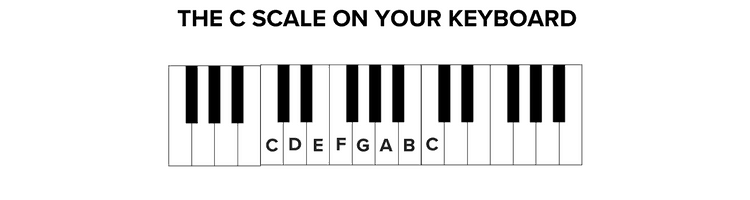
10. Sharps, Flats and Naturals
A sharp raises a note by one half step. A flat lowers a note by one half step. A natural cancels a previous sharp or flat.Sharp: sharp sign
Flat: flat sign
Natural: natural sign
These signs are called accidentals when they appear in the music.
Natural Signs
A natural sign is useful when a note has previously been sharpened or flattened. It tells you to return to the normal version of the note.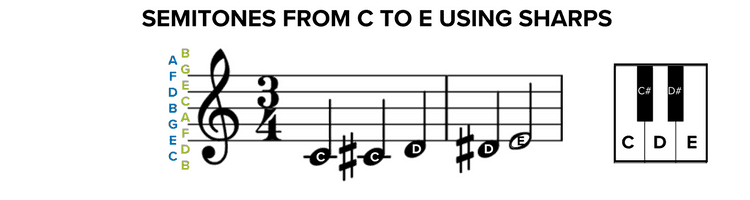
11. Key Signatures
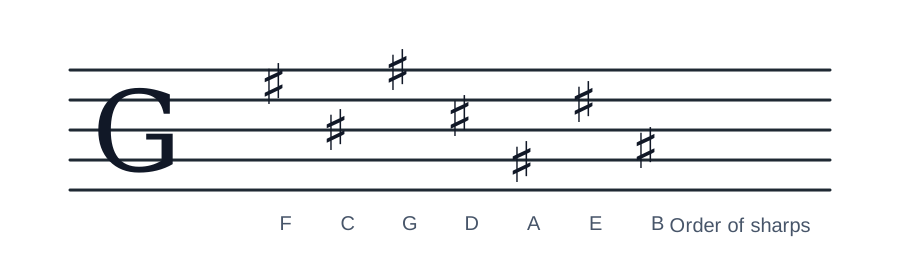
A key signature appears after the clef and before the time signature. It shows which notes should usually be played sharp or flat throughout the piece.Sharp key signatures follow this order:
F C G D A E B
Flat Key Signatures
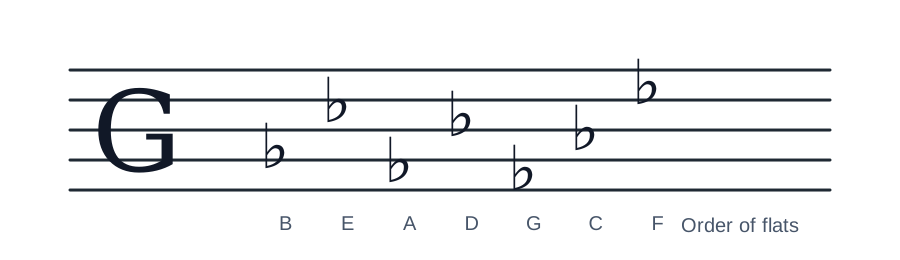
Flat key signatures follow this order:B E A D G C F
The key signature saves space because the composer does not need to write the same sharps or flats again and again in every bar.
12. How to Practise
Start slowly. Learn the note names first, then practise simple rhythms. Use short melodies and repeat them until the notation begins to feel familiar.Practise naming notes on the treble and bass clefs.
Clap rhythms before trying to play them.
Use a metronome at a slow speed.
Learn the C major scale on a keyboard or your own instrument.
Work on one small section at a time.
Final thought
Reading music is not about learning everything at once. It is about building confidence one symbol at a time. Once the basics are familiar, sheet music becomes less like a puzzle and more like a map.